Exploring foods of resistance and How recipes hold vast histories of the people who cooked them
This dinner party was a culmination of research on extinct plants and acts of resistance. Throughout the process, thinking about queerness and the act of making ones table – migration and what does convening look like when you’re not home (or in a new home).
Food as a tool for storytelling, archiving, celebrating, mourning, resisting. Collective care and operating on a micro-scale as acts of defiance.
The form and title imagined gathering in secrecy, to organise, share, reminisce and experience joy.
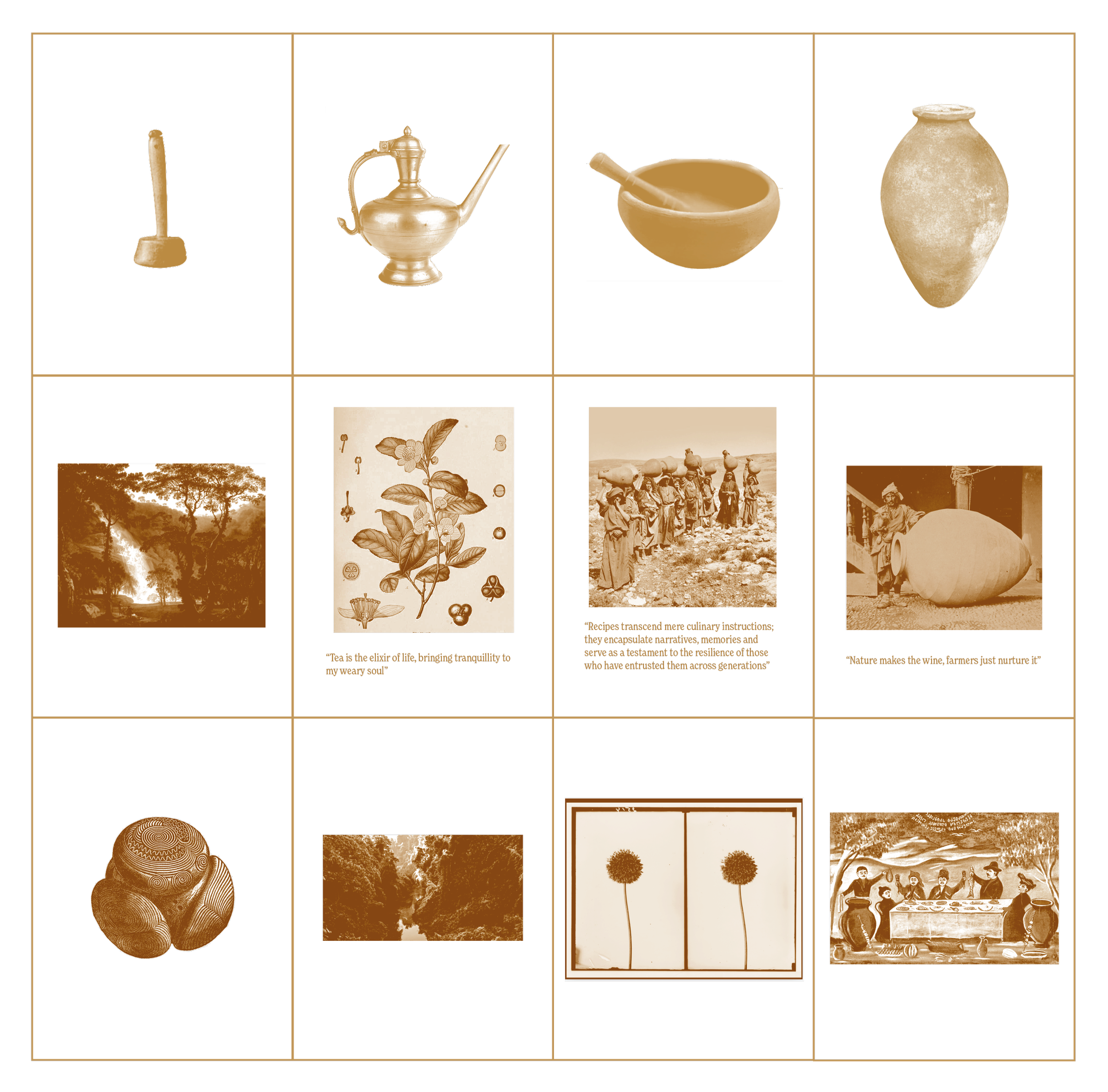
The food was organised in the 4 seasons: Georgian Rkatsiteli wine grapes are harvested in fall, a tradition of ancient wine making that dates back 8000 years ago but has been under threat throughout history. Irish Potato Farls are a symbol of surviving winter, especially when British Colonialism included the theft of food. Assam Tea grows in the spring, the first wild tea the British found growing outside of China, before they levelled the jungle for their tea plantations. Lentils for Rummaniyeh is harvest in summer, a dish that originated in Yaffa and Lidd but was brought to Gaza during the Nakba and the recipe has since evolved, depending on what’s available.
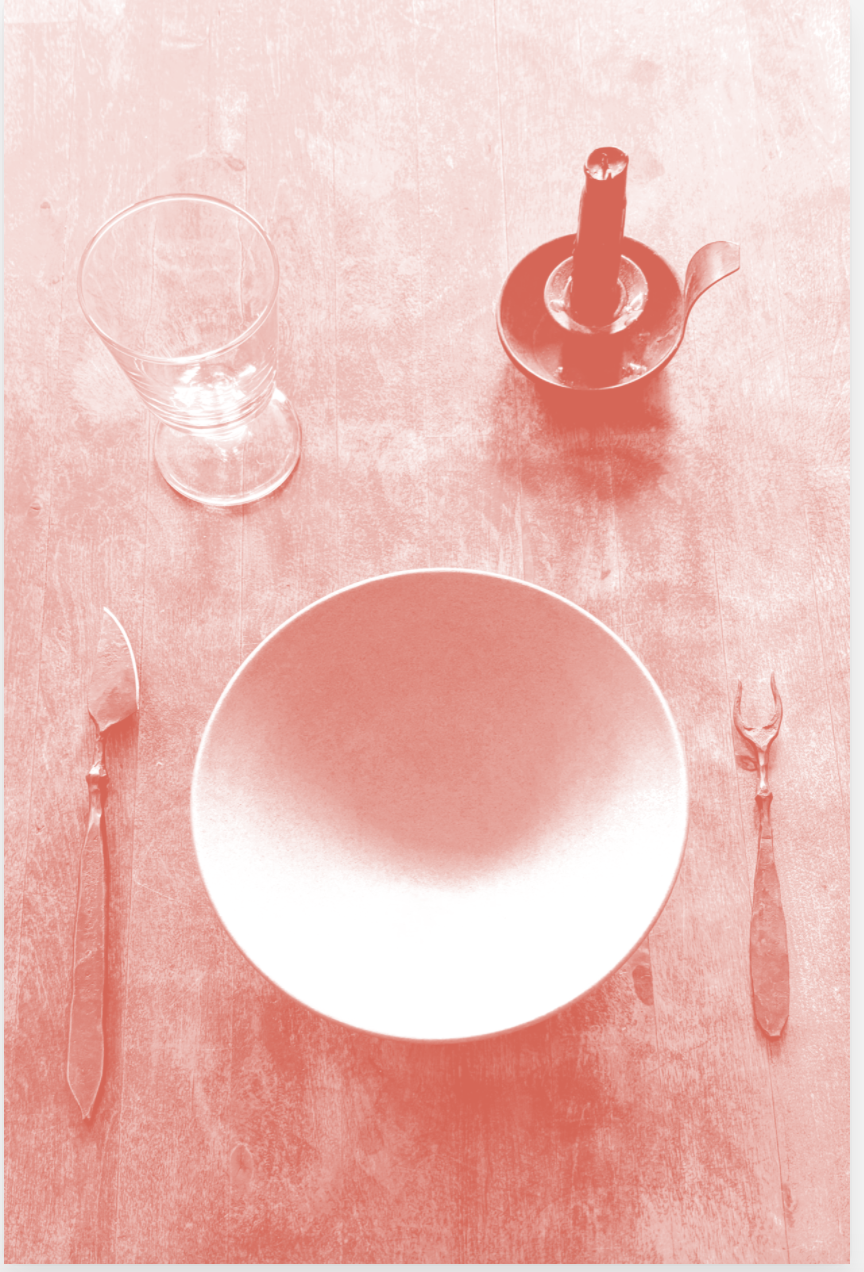
The candles were made with fir needles and dragon’s blood resin, both used for cleansing rituals and protection. Fir needles were also strung up on the portal entrance.
The paper was made out of recycled egg cartons and foraged plants.
Other objects included a 1950s travellers wine case, vintage tea flask, indigo dyed batik table cloth and shell shaped candle snuffers that act as timers.
The performance also imagined what a less extractive hippie trail could look like.